The inaugural UN 2.0 Awards, presented during UN 2.0 Week, recognised UN teams delivering measurable impact through innovation, data, digital transformation, behavioural science and strategic foresight. From more than 200 submissions, five winning initiatives were selected:
- WMO’s ClimWeb increased publicly issued early warnings by 3,000% across Africa and is now deployed in 41 countries;
- UNOPS’s Compass, a geospatial and AI evidence chain for conflict response, supports operations in 18 crisis contexts and tracks 1.7 million beneficiaries;
- IOM’s Displacement Tracking Matrix cut data-to-analysis time by 70% across 60 country operations;
- UNHCR’s Connectivity for Refugees reached 1.2 million displaced people in 15 countries; and
- UNICEF’s Oky, an open-source menstrual health platform used in 23+ languages, reached more than 1 million girls through online and offline channels.
#EOSG
Championed by World Bank Group President Ajay Banga and launched in 2025, the WBG Innovation Awards programme identifies and advances high-potential, early-stage innovations from across the institution. The programme combines catalytic funding, dedicated staff time, tailored expertise and acceleration support to help teams test, refine and scale promising ideas with the potential for measurable impact. It focuses on innovations that challenge business as usual and can be replicated across the World Bank Group and in client countries. Recent award-winning projects include AI-powered tools that help young people build skills and access jobs, digital platforms that accelerate procurement and project delivery, blockchain-enabled systems that improve the transparency and accountability of development financing, geospatial solutions that strengthen urban resilience and AI applications that enhance environmental and social supervision.
#World baNK
Incentives and awards

Upcoming Opportunities

UNIN’s new Innovation Training Library brings together training opportunities on innovation, AI, digital transformation, data, behavioural science and more from across the United Nations system in one place. Users can explore self-paced courses, facilitated programmes, practical toolkits and learning resources designed for different levels of experience. By making these opportunities easier to find, the Library can help more colleagues build the capabilities needed to work, innovate and deliver more effectively across the UN system.
#UNIN
UNSSC’s UN 2.0 Bootcamp is a week-long innovation sprint in which participants apply and combine Data, Digital, Foresight, Innovation and Behavioural Science approaches and tools to one shared case. Throughout the week, they consider how to transfer what they learn to real work challenges. Four months later, they reconvene to share how they have put these approaches into practice. Register here to join in December 2026.
#UNSSC
Designed by UN personnel, UNSSC’s workshop Behavioural Science in Action is built around a real behavioural challenge: the ethical and effective adoption of AI in the UN. Across two interactive three-hour webinars, participants define a target behaviour, uncover its key drivers and barriers, design behaviourally-informed responses and plan how to test them. Using UNudge, a customised behavioural science AI tool, participants practice each step, surface insights and develop potential solutions.
#UNSSC
UN - OICT Unite Academy launched an AI training series to help UN colleagues build practical AI skills and use AI productivity assistants in their daily work. More than 20,000 colleagues are already using an AI assistant, supported through hands-on training, ongoing support and an AI Community Hub.
#UN-OICT
The Spillover-Innovation Learning Journey, developed by the Beyond Lab in collaboration with UN-DCO, UNIN and Huddlecraft, supports policymakers in better understanding and addressing the cross-border and long-term impacts of national policy decisions. Through a modular learning approach combining international Hive Sessions and country-level Pod Sessions, participants engage in peer learning, exchange practical experiences and explore solutions to complex policy challenges. Piloted across India, Pakistan, Türkiye and Germany in spring 2026, the initiative aims to strengthen policy coherence, foster more responsible and spillover-aware policymaking, and connect global sustainable development priorities with national policy practice.
#Beyondlab
UNFCCC’s Peer Exchange Workshops connect peers navigating similar challenges with targeted expertise from inside and outside the UN. Focused on “From NDC Preparation to Coordinated Action,” five workshops to date have brought together countries across Asia, Latin America, the Middle East, Eastern Europe and Western-Central Asia, the Pacific and the Caribbean to share experiences on moving from plans to delivery. Conducted with the support of partners like UNDP, UNEP, GIZ and NDCP, these exchanges help inform decisions, shorten learning curves and accelerate implementation. The evolving peer-driven model is also shaping masterclasses and longer-term exchange programmes.
#UNFCCC
UNU Macau’s AI training programme for teachers immersed 13 educators in agentic AI, large language models and AI ethics for policy and pedagogy. Delivered with Northwestern Polytechnical University, the programme builds new partnerships to advance digital capacity building.
#UNU
UN Tourism and Amadeus delivered a practical AI workshop for 100 participants in Lithuania, exploring how AI can support innovation and competitiveness in tourism.
#UN TOURISM
A new UN Climate Change–China partnership is expanding South–South cooperation on climate transparency capacity building, helping countries to strengthen their data and reporting capabilities. Its first joint activity brought together experts from 24 developing countries, a constituted body and three UN organisations for peer learning, technical clinics, country experience-sharing and field visits. Capacity strengthening was complemented by concrete examples of China’s climate action ranging from electric mobility and greener industrial practices to Yangtze River protection.
#UNFCCC
Learning and capacity development
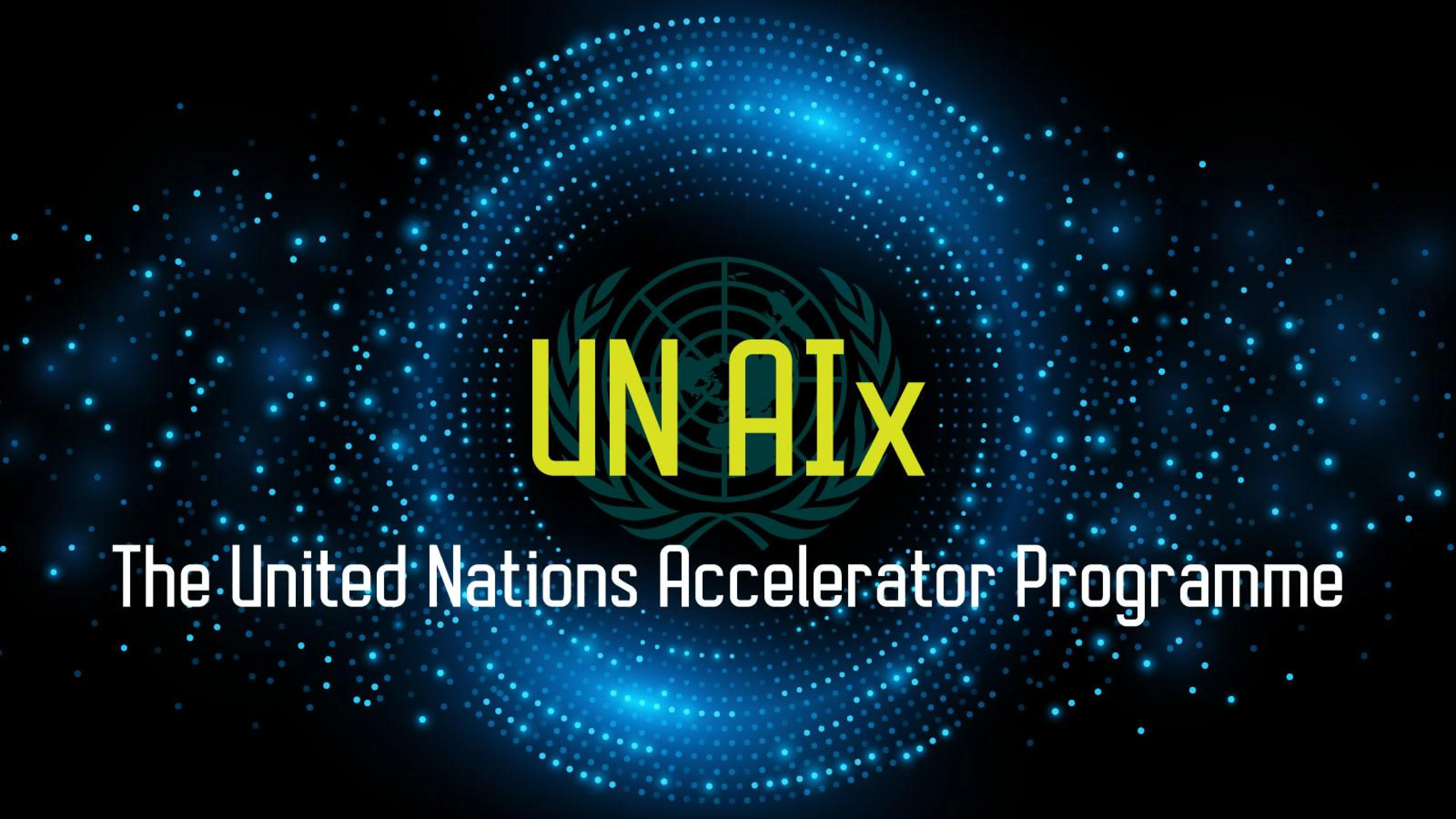
Image : The UN AI Accelerator, run by OICT with Fordham University and Microsoft, paired UN teams with graduate students to prototype AI tools.
Evidence, lessons and methods
Video: UN Secretary-General António Guterres congratulates the winners of the inaugural UN 2.0 awards, recognising UN teams delivering results through new ways of working (UN 2.0).
Infrastructure and networks for innovation
The second UN Innovation Leads Retreat hosted by the UN Innovation Network brought together innovation leads from 27 UN entities at the GIGA Connectivity Center in Geneva to explore how innovation can help the UN to adapt and respond to an increasingly complex and rapidly changing environment. Discussions covered innovation financing, emerging technologies, the UN80 Initiative and new collaboration opportunities. Four themes emerged: (1) complex challenges require systemic rather than institutional thinking; (2) innovation needs to move (further) from a side project to a core organisational capability; (3) the UN and innovation teams must shift from reacting to change to anticipating it; and (4) shared intentions must be translated into practical collaboration. Participants highlighted that the UN’s future relevance will depend on its ability to innovate and work together across boundaries.
#UNIN
UN Women launched the Digital, Innovation and AI Hub at UNGA81 to shape AI and digital transformation in ways that advance gender equality and benefit women and girls. The global platform brings together researchers, governments, technology companies and women’s rights organisations to generate evidence and put gender equality at the heart of AI and digital governance. It responds to persistent gaps: women make up around 22% of AI professionals and hold fewer than 14% of senior roles in the field.
#UN WOMEN
The UN General Assembly endorsed the creation of the United Nations Institute for Capability and Learning Innovation (UNICLI) through the merger of UNITAR and UNSSC, targeted for 1 January 2027. More than a consolidation of two institutions, UNICLI signals an ambition to rethink how the UN builds capabilities for a world of rapid technological, institutional and geopolitical change. Learning Innovation is central to that ambition: connecting learning with leadership, knowledge, digital approaches, institutional transformation and access to expertise, while developing more scalable and responsive ways to support Member States and the UN system. As part of the UN80 reform agenda, UNICLI will be set up as a hub and capability partner with the aim of turning knowledge into capability, and capability into stronger performance and implementation.
#UNICLI
The first of four planned UN Secretariat Digital Hubs was launched in Valencia through a collaboration among UN - DOS, UN - OICT, the UN Digital & Technology Network and Spanish government partners, advancing a more integrated model for ICT service delivery. By sharing resources and expertise, the hubs aim to improve efficiency, strengthen ICT security and resilience, support system-wide service sharing and streamline operations.
#UN-OICT
The WHO Innovation Hub launched a series of co-hosted events as a platform for dialogue on emerging issues in science and innovation. The first event focused on innovative and blended finance and the conditions needed to channel more private capital towards health and development priorities.
#WHO
The ILO held its first global Innovation Day in March 2026, showcasing 30+ innovation projects spanning AI, data, digital platforms and operational transformation. They include AI-powered support for platform workers in India, AI-enabled vocational training in Kenya, digital advisory services for enterprises in Panama and new applications of generative AI in labour statistics and knowledge management. The event highlighted the growing role of innovation in advancing decent work and social protection.
#ILO
UN - OICT’s UN AIx Artificial Intelligence Accelerator, run with Fordham University, Microsoft and UN teams, explored how AI can address operational challenges through rapid, low-cost experimentation. Participants developed proof-of-concept solutions using AI tools already available across the Secretariat. It showed how low-cost prototyping can reduce risk, gather feedback and inform investments in technology.
#UN-OICT
The WFP Accelerator received the DIHAD Humanthropy Visionary Award for advancing humanitarian impact through innovation.
#WFP
The NewWork impact site showcases what happens when a grassroots movement of 5,000+ changemakers globally commits to working differently, trying new things and introducing new approaches. The site features impact stories across different domains of the UN’s work, together with case studies and member profiles. This living resource is designed as a place where colleagues can explore transformation stories and innovative projects, take away concrete practices and connect with the UN 2.0 community of changemakers. It demonstrates that agility, psychological safety and innovation are not just aspirations but taking root across the UN system. Reach out to contribute: newwork@un.org.
#DMSPC
The Beyond Lab at UN Geneva hosted the Beyonds Festival in October 2026, bringing together ideas and creative perspectives on development beyond 2030. Through workshops, exhibitions, screenings and exchanges on UN 2.0, the festival highlighted how futures thinking and innovation can contribute to more inclusive and intergenerational approaches to sustainable development. Following hundreds of submissions from over 90 countries, highlights include the Beyonds Challenge winners, the premiere of “Heartbeat” and the “What We Carry Forward” art exhibition.
#BEYOND LAB
Video: Highlights from the ILO’s first global Innovation Day, featuring 30+ talks and demos on AI, data and digital tools.
Highlights across the UN
This section highlights the networks, capabilities, learning and incentives helping the UN strengthen innovation capacity to deliver for impact.
STRENGTHENING THE UN’s INNOVATION CAPACITY


The UNDP–Temasek Trust working paper From Silos to Systems, Projects to Portfolios explores how innovative approaches to development financing can help philanthropy move beyond isolated projects. Drawing on UNDP's work in systems transformation, it highlights how connected portfolios of interventions, experimentation and continuous learning can unlock new solutions, mobilise capital and drive lasting, inclusive development.
#UNDP
An independent Evaluation Report found that UNICEF made significant progress in embedding innovation since 2019, with more focus needed on country capacity and tracking results.
#UNICEF
Following the publication of WHO’s Guidance and toolkit on scaling innovations in public health systems, attention is now turning to dissemination and uptake. One approach is Serious Play, game-based, hands-on activities that put participants inside a simulated system with competing incentives and stakeholders, helping them understand the realities and trade-offs of scaling in a way conventional training rarely does. Read more in the new newsletter Nerveletter.
#WHO
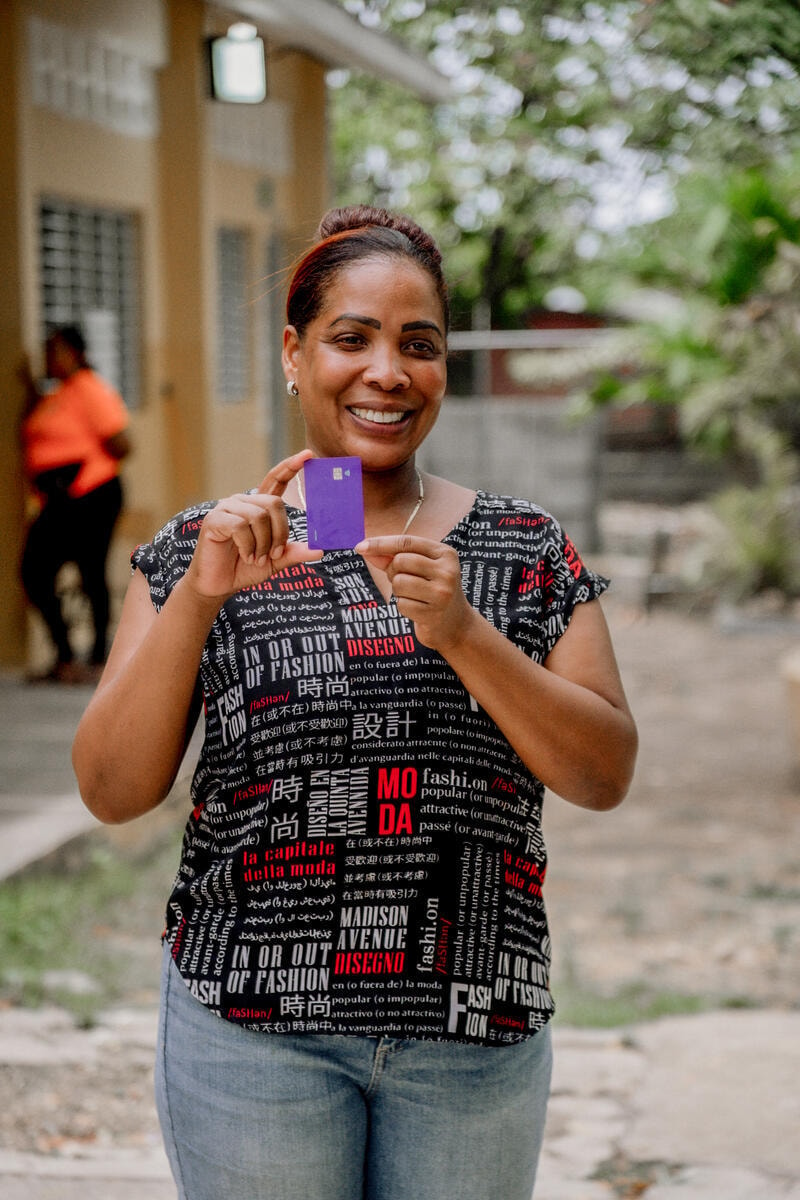
UNICEF’s Innovation Monitoring, Evaluation and Learning (MEL) Toolbox helps innovators generate the evidence they need to make better decisions, from idea to scale. Explore what the team learnt along the way.
#UNICEF

Image: UNICEF’s Innovation MEL Toolbox: practical tools to build evidence for innovations, from pilot to scale.
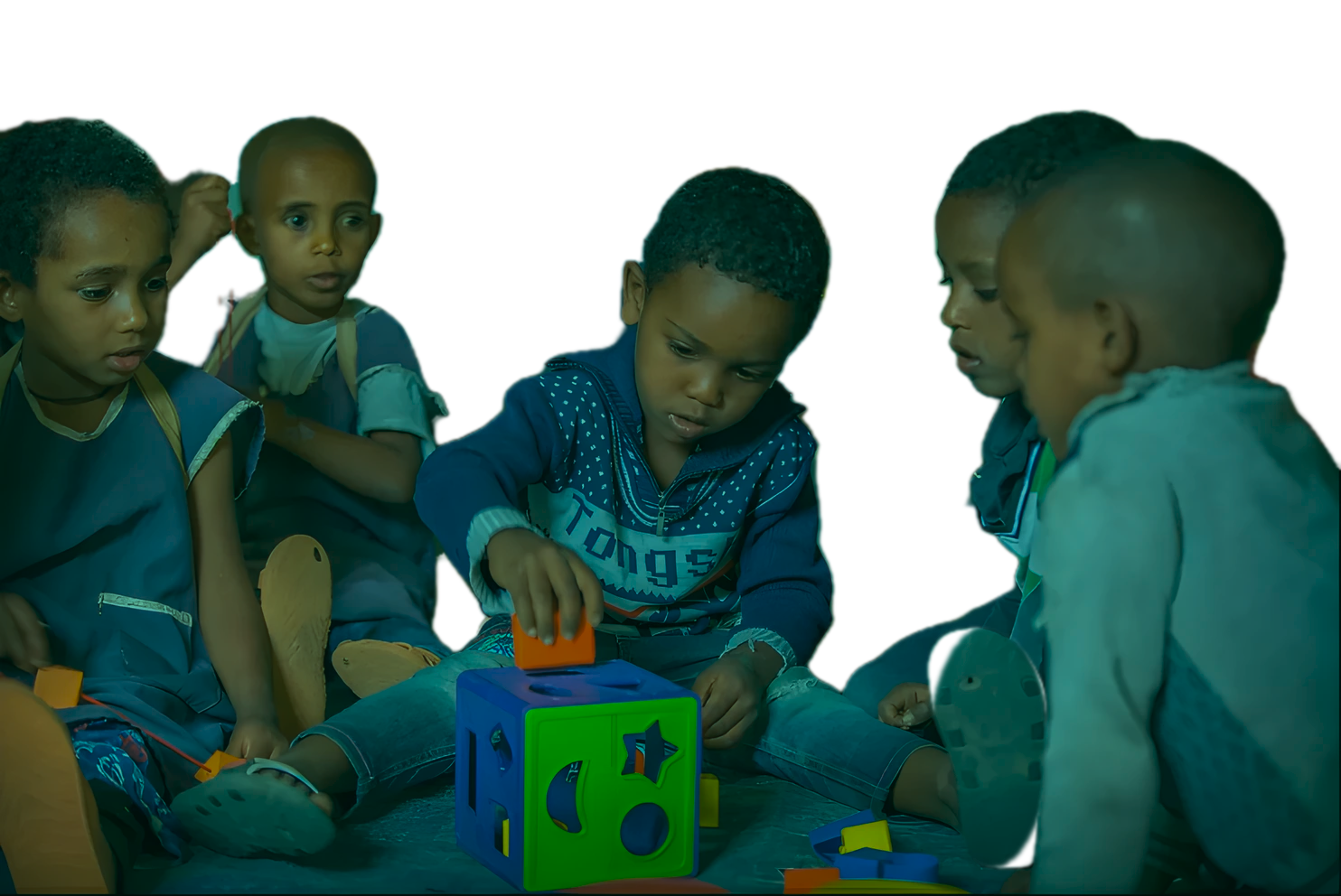
UNICEF’s UPSHIFT programme evolved from national bootcamps into global learning ecosystems. The Office of Innovation draws a lesson from this journey: scaling what works isn’t always the best approach.
#UNICEF
‣
The inaugural UN 2.0 Awards, presented during UN 2.0 Week, recognised UN teams delivering measurable impact through innovation, data, digital transformation, behavioural science and strategic foresight. From more than 200 submissions, five winning initiatives were selected:
- WMO’s ClimWeb increased publicly issued early warnings by 3,000% across Africa and is now deployed in 41 countries;
- UNOPS’s Compass, a geospatial and AI evidence chain for conflict response, supports operations in 18 crisis contexts and tracks 1.7 million beneficiaries;
- IOM’s Displacement Tracking Matrix cut data-to-analysis time by 70% across 60 country operations;
- UNHCR’s Connectivity for Refugees reached 1.2 million displaced people in 15 countries; and
- UNICEF’s Oky, an open-source menstrual health platform used in 23+ languages, reached more than 1 million girls through online and offline channels.
#EOSG
‣
Championed by World Bank Group President Ajay Banga and launched in 2025, the WBG Innovation Awards programme identifies and advances high-potential, early-stage innovations from across the institution. The programme combines catalytic funding, dedicated staff time, tailored expertise and acceleration support to help teams test, refine and scale promising ideas with the potential for measurable impact. It focuses on innovations that challenge business as usual and can be replicated across the World Bank Group and in client countries. Recent award-winning projects include AI-powered tools that help young people build skills and access jobs, digital platforms that accelerate procurement and project delivery, blockchain-enabled systems that improve the transparency and accountability of development financing, geospatial solutions that strengthen urban resilience and AI applications that enhance environmental and social supervision.
#World baNK
Incentives and awards


‣
The UNDP–Temasek Trust working paper From Silos to Systems, Projects to Portfolios explores how innovative approaches to development financing can help philanthropy move beyond isolated projects. Drawing on UNDP's work in systems transformation, it highlights how connected portfolios of interventions, experimentation and continuous learning can unlock new solutions, mobilise capital and drive lasting, inclusive development.
#UNDP
‣
An independent Evaluation Report found that UNICEF made significant progress in embedding innovation since 2019, with more focus needed on country capacity and tracking results.
#UNICEF
‣
Following the publication of WHO’s Guidance and toolkit on scaling innovations in public health systems, attention is now turning to dissemination and uptake. One approach is Serious Play, game-based, hands-on activities that put participants inside a simulated system with competing incentives and stakeholders, helping them understand the realities and trade-offs of scaling in a way conventional training rarely does. Read more in the new newsletter Nerveletter.
#WHO
‣
UNICEF’s Innovation Monitoring, Evaluation and Learning (MEL) Toolbox helps innovators generate the evidence they need to make better decisions, from idea to scale. Explore what the team learnt along the way.
#UNICEF
Evidence, lessons and methods
Image: Participants of the Integrated UPSHIFT programme in Yumbe District in Uganda. I-UPSHIFT is a joint UNICEF & ILO initiative

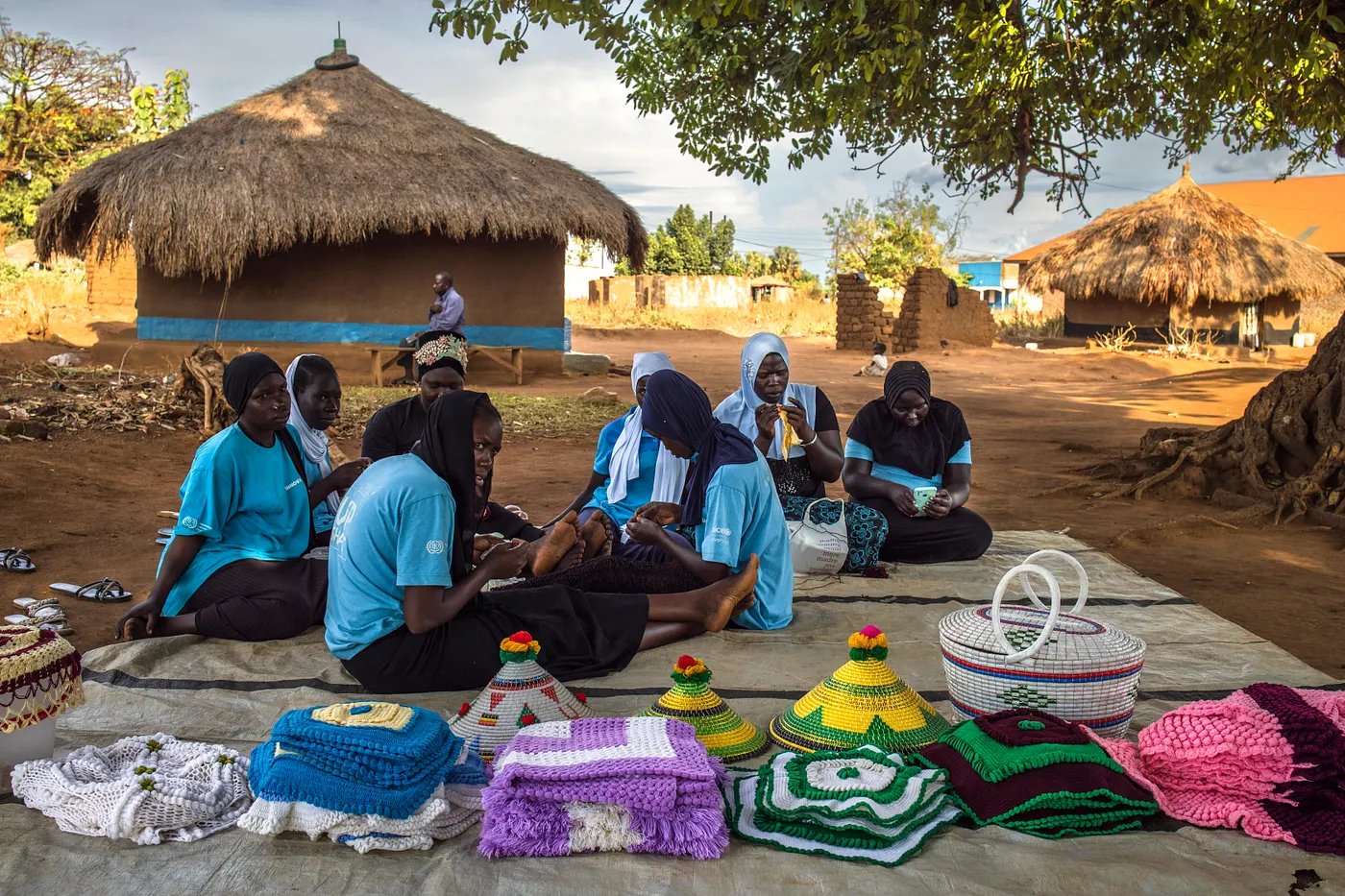
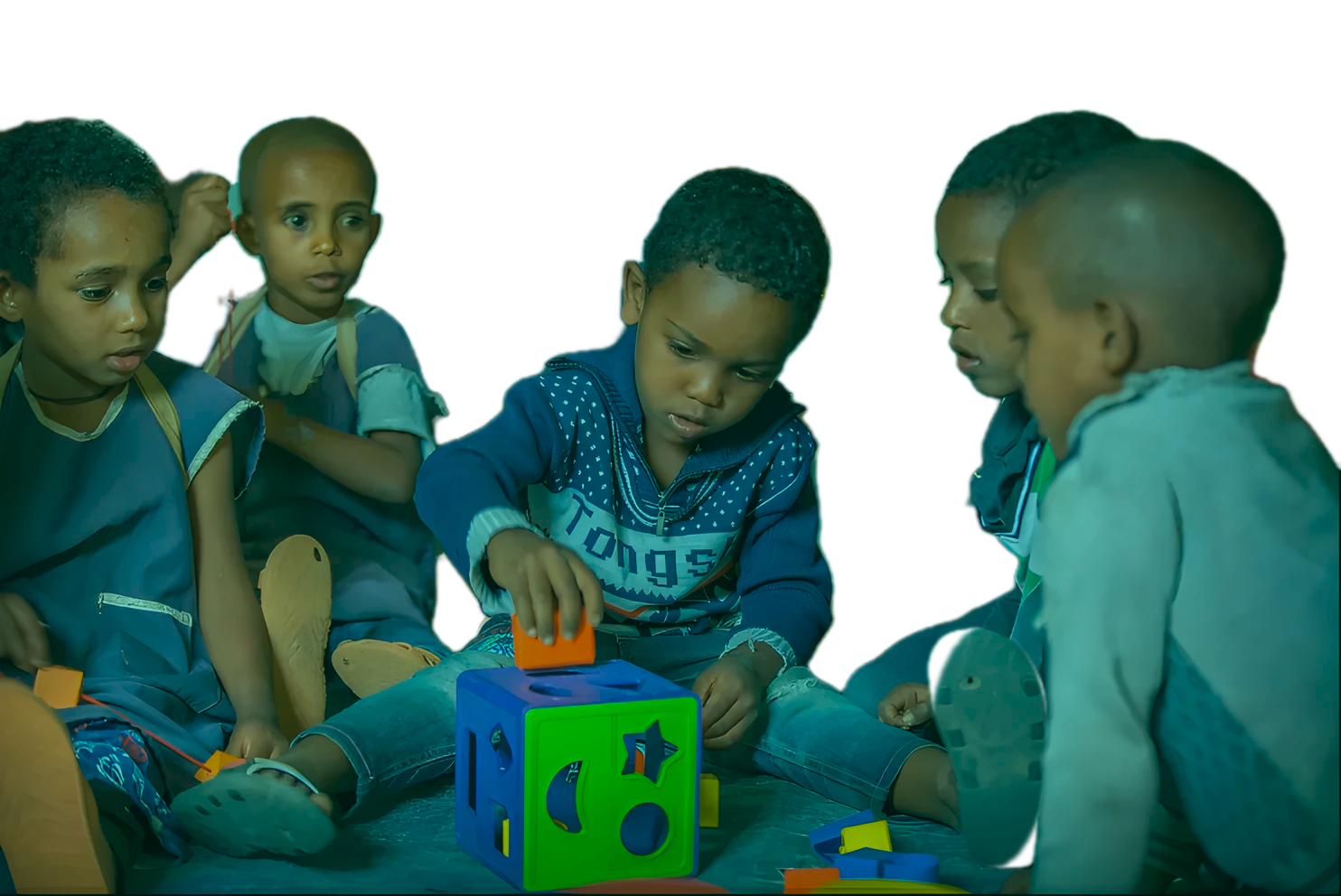
Image: UNICEF’s Innovation MEL Toolbox: practical tools to build evidence for innovations, from pilot to scale.
‣
UNICEF’s UPSHIFT programme evolved from national bootcamps into global learning ecosystems. The Office of Innovation draws a lesson from this journey: scaling what works isn’t always the best approach.
#UNICEF
‣
UNIN’s new Innovation Training Library brings together training opportunities on innovation, AI, digital transformation, data, behavioural science and more from across the United Nations system in one place. Users can explore self-paced courses, facilitated programmes, practical toolkits and learning resources designed for different levels of experience. By making these opportunities easier to find, the Library can help more colleagues build the capabilities needed to work, innovate and deliver more effectively across the UN system.
#UNIN
‣
UNSSC’s UN 2.0 Bootcamp is a week-long innovation sprint in which participants apply and combine Data, Digital, Foresight, Innovation and Behavioural Science approaches and tools to one shared case. Throughout the week, they consider how to transfer what they learn to real work challenges. Four months later, they reconvene to share how they have put these approaches into practice. Register here to join in December 2026.
#UNSSC
‣
Designed by UN personnel, UNSSC’s workshop Behavioural Science in Action is built around a real behavioural challenge: the ethical and effective adoption of AI in the UN. Across two interactive three-hour webinars, participants define a target behaviour, uncover its key drivers and barriers, design behaviourally-informed responses and plan how to test them. Using UNudge, a customised behavioural science AI tool, participants practice each step, surface insights and develop potential solutions.
#UNSSC
‣
UN - OICT Unite Academy launched an AI training series to help UN colleagues build practical AI skills and use AI productivity assistants in their daily work. More than 20,000 colleagues are already using an AI assistant, supported through hands-on training, ongoing support and an AI Community Hub.
#UN-OICT
‣
The Spillover-Innovation Learning Journey, developed by the Beyond Lab in collaboration with UN-DCO, UNIN and Huddlecraft, supports policymakers in better understanding and addressing the cross-border and long-term impacts of national policy decisions. Through a modular learning approach combining international Hive Sessions and country-level Pod Sessions, participants engage in peer learning, exchange practical experiences and explore solutions to complex policy challenges. Piloted across India, Pakistan, Türkiye and Germany in spring 2026, the initiative aims to strengthen policy coherence, foster more responsible and spillover-aware policymaking, and connect global sustainable development priorities with national policy practice.
#Beyondlab
‣
UNFCCC’s Peer Exchange Workshops connect peers navigating similar challenges with targeted expertise from inside and outside the UN. Focused on “From NDC Preparation to Coordinated Action,” five workshops to date have brought together countries across Asia, Latin America, the Middle East, Eastern Europe and Western-Central Asia, the Pacific and the Caribbean to share experiences on moving from plans to delivery. Conducted with the support of partners like UNDP, UNEP, GIZ and NDCP, these exchanges help inform decisions, shorten learning curves and accelerate implementation. The evolving peer-driven model is also shaping masterclasses and longer-term exchange programmes.
#UNFCCC
‣
UNU Macau’s AI training programme for teachers immersed 13 educators in agentic AI, large language models and AI ethics for policy and pedagogy. Delivered with Northwestern Polytechnical University, the programme builds new partnerships to advance digital capacity building.
#UNU
‣
UN Tourism and Amadeus delivered a practical AI workshop for 100 participants in Lithuania, exploring how AI can support innovation and competitiveness in tourism.
#UN TOURISM
‣
A new UN Climate Change–China partnership is expanding South–South cooperation on climate transparency capacity building, helping countries to strengthen their data and reporting capabilities. Its first joint activity brought together experts from 24 developing countries, a constituted body and three UN organisations for peer learning, technical clinics, country experience-sharing and field visits. Capacity strengthening was complemented by concrete examples of China’s climate action ranging from electric mobility and greener industrial practices to Yangtze River protection.
#UNFCCC
Learning and capacity development
Video: UN Secretary-General António Guterres congratulates the winners of the inaugural UN 2.0 awards, recognising UN teams delivering results through new ways of working (UN 2.0).

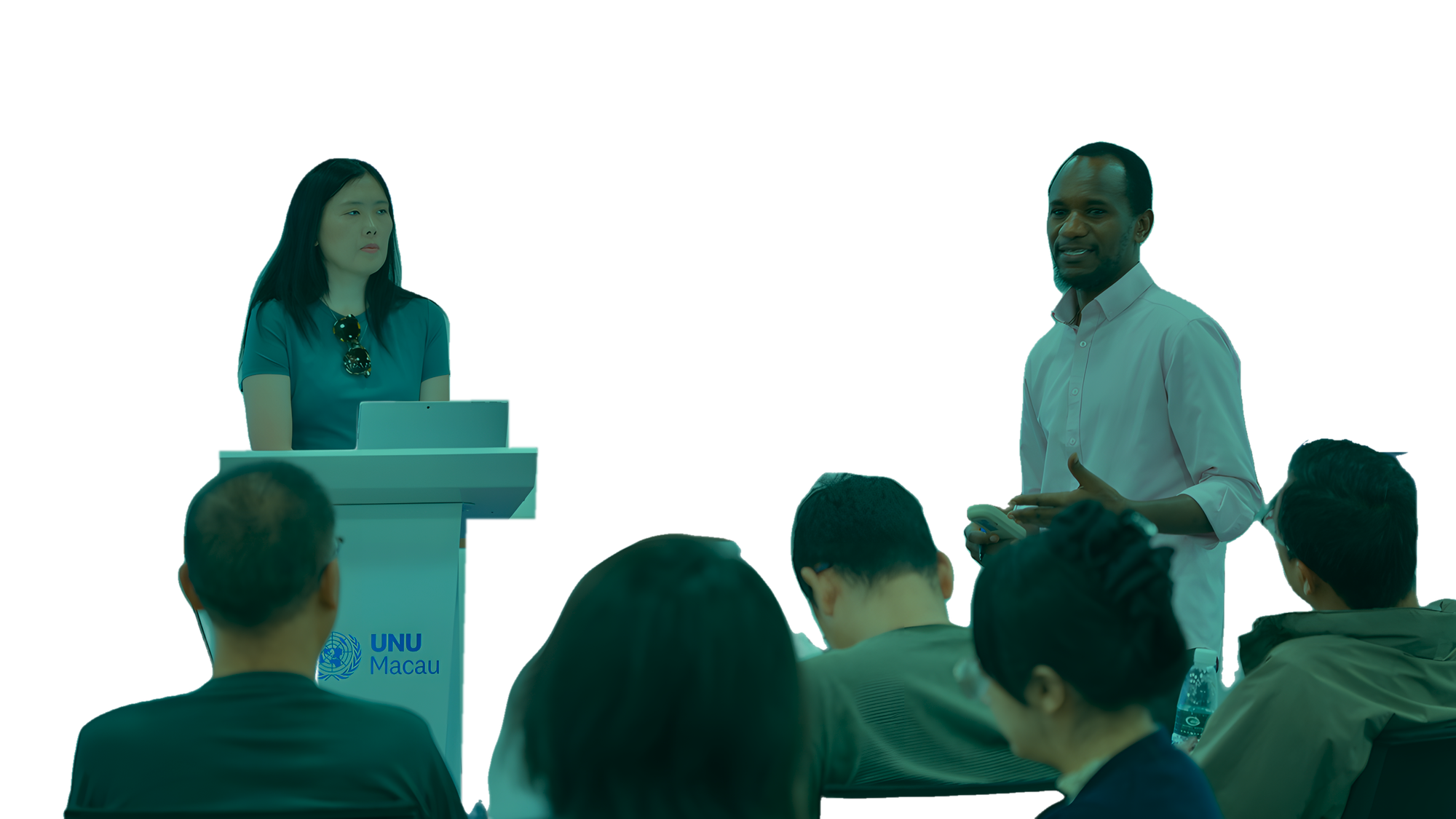
Image: UNU Macau’s 2026 Training for Teachers brought together educators for three days of training on AI ethics, generative and agentic AI for research, and new ways to teach with AI.
Infrastructure and networks for innovation
‣
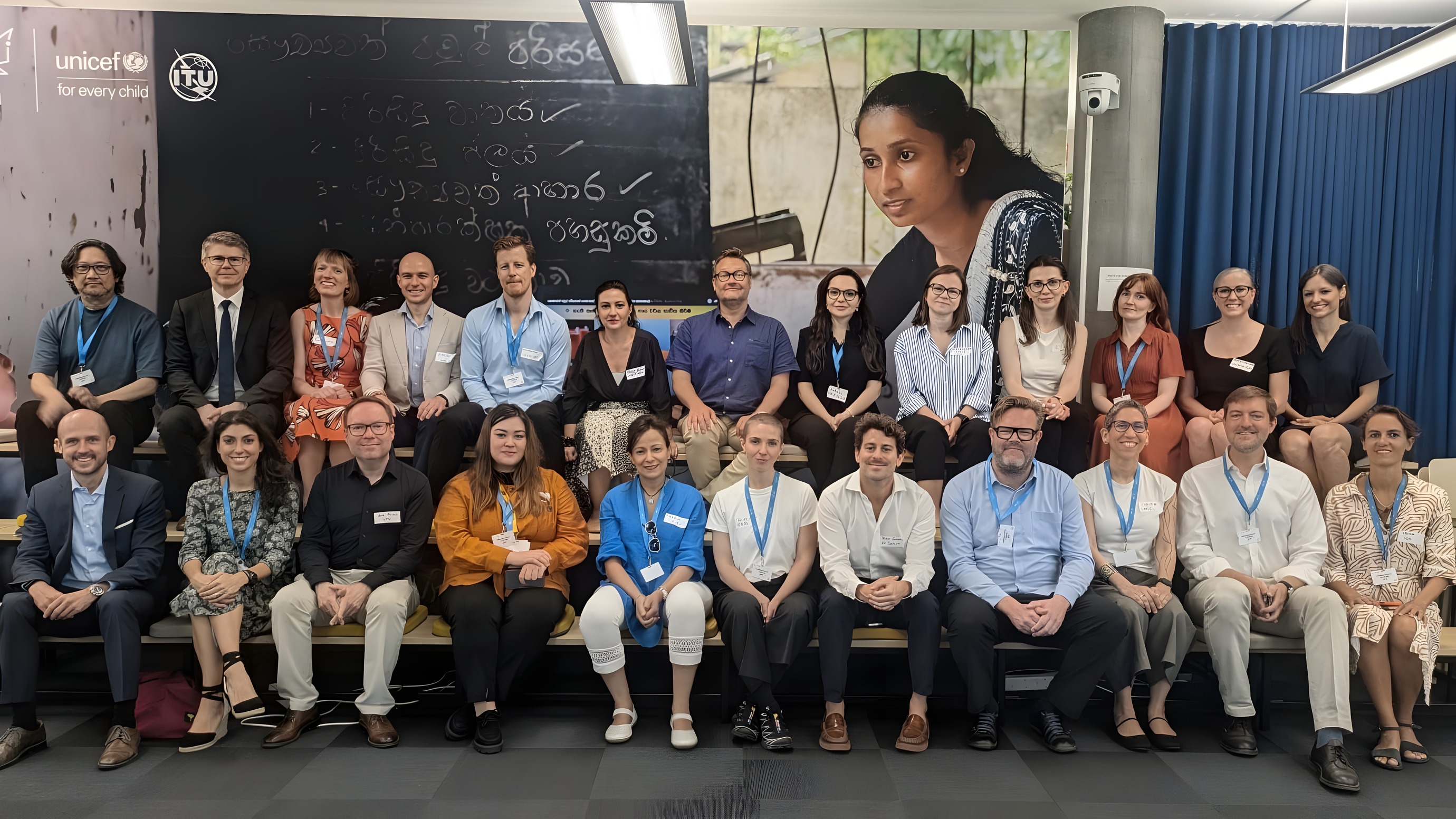
The second UN Innovation Leads Retreat hosted by the UN Innovation Network brought together innovation leads from 27 UN entities at the GIGA Connectivity Center in Geneva to explore how innovation can help the UN to adapt and respond to an increasingly complex and rapidly changing environment. Discussions covered innovation financing, emerging technologies, the UN80 Initiative and new collaboration opportunities. Four themes emerged: (1) complex challenges require systemic rather than institutional thinking; (2) innovation needs to move (further) from a side project to a core organisational capability; (3) the UN and innovation teams must shift from reacting to change to anticipating it; and (4) shared intentions must be translated into practical collaboration. Participants highlighted that the UN’s future relevance will depend on its ability to innovate and work together across boundaries.
#UNIN
‣
UN Women launched the Digital, Innovation and AI Hub at UNGA81 to shape AI and digital transformation in ways that advance gender equality and benefit women and girls. The global platform brings together researchers, governments, technology companies and women’s rights organisations to generate evidence and put gender equality at the heart of AI and digital governance. It responds to persistent gaps: women make up around 22% of AI professionals and hold fewer than 14% of senior roles in the field.
#UN WOMEN
‣
The UN General Assembly endorsed the creation of the United Nations Institute for Capability and Learning Innovation (UNICLI) through the merger of UNITAR and UNSSC, targeted for 1 January 2027. More than a consolidation of two institutions, UNICLI signals an ambition to rethink how the UN builds capabilities for a world of rapid technological, institutional and geopolitical change. Learning Innovation is central to that ambition: connecting learning with leadership, knowledge, digital approaches, institutional transformation and access to expertise, while developing more scalable and responsive ways to support Member States and the UN system. As part of the UN80 reform agenda, UNICLI will be set up as a hub and capability partner with the aim of turning knowledge into capability, and capability into stronger performance and implementation.
#UNICLI
‣
The first of four planned UN Secretariat Digital Hubs was launched in Valencia through a collaboration among UN - DOS, UN - OICT, the UN Digital & Technology Network and Spanish government partners, advancing a more integrated model for ICT service delivery. By sharing resources and expertise, the hubs aim to improve efficiency, strengthen ICT security and resilience, support system-wide service sharing and streamline operations.
#UN-OICT
‣
The WHO Innovation Hub launched a series of co-hosted events as a platform for dialogue on emerging issues in science and innovation. The first event focused on innovative and blended finance and the conditions needed to channel more private capital towards health and development priorities.
#WHO
‣
The ILO held its first global Innovation Day in March 2026, showcasing 30+ innovation projects spanning AI, data, digital platforms and operational transformation. They include AI-powered support for platform workers in India, AI-enabled vocational training in Kenya, digital advisory services for enterprises in Panama and new applications of generative AI in labour statistics and knowledge management. The event highlighted the growing role of innovation in advancing decent work and social protection.
#ILO
‣
UN - OICT’s UN AIx Artificial Intelligence Accelerator, run with Fordham University, Microsoft and UN teams, explored how AI can address operational challenges through rapid, low-cost experimentation. Participants developed proof-of-concept solutions using AI tools already available across the Secretariat. It showed how low-cost prototyping can reduce risk, gather feedback and inform investments in technology.
#UN-OICT
‣
The WFP Accelerator received the DIHAD Humanthropy Visionary Award for advancing humanitarian impact through innovation.
#WFP
‣
The NewWork impact site showcases what happens when a grassroots movement of 5,000+ changemakers globally commits to working differently, trying new things and introducing new approaches. The site features impact stories across different domains of the UN’s work, together with case studies and member profiles. This living resource is designed as a place where colleagues can explore transformation stories and innovative projects, take away concrete practices and connect with the UN 2.0 community of changemakers. It demonstrates that agility, psychological safety and innovation are not just aspirations but taking root across the UN system. Reach out to contribute: newwork@un.org.
#DMSPC
‣
The Beyond Lab at UN Geneva hosted the Beyonds Festival in October 2026, bringing together ideas and creative perspectives on development beyond 2030. Through workshops, exhibitions, screenings and exchanges on UN 2.0, the festival highlighted how futures thinking and innovation can contribute to more inclusive and intergenerational approaches to sustainable development. Following hundreds of submissions from over 90 countries, highlights include the Beyonds Challenge winners, the premiere of “Heartbeat” and the “What We Carry Forward” art exhibition.
#BEYOND LAB
Image: Innovation Leads from 27 UN entities gathered in Geneva for the second UN Innovation Leads Retreat, hosted by UNIN.
Video (Top): Highlights from the ILO’s first global Innovation Day, featuring 30+ talks and demos on AI, data and digital tools.
Image (Bottom): The UN AI Accelerator, run by OICT with Fordham University and Microsoft, paired UN teams with graduate students to prototype AI tools.

Highlights across the UN
This section highlights the networks, capabilities, learning and incentives helping the UN strengthen innovation capacity to deliver for impact.

STRENGTHENING THE UN’s INNOVATION CAPACITY