


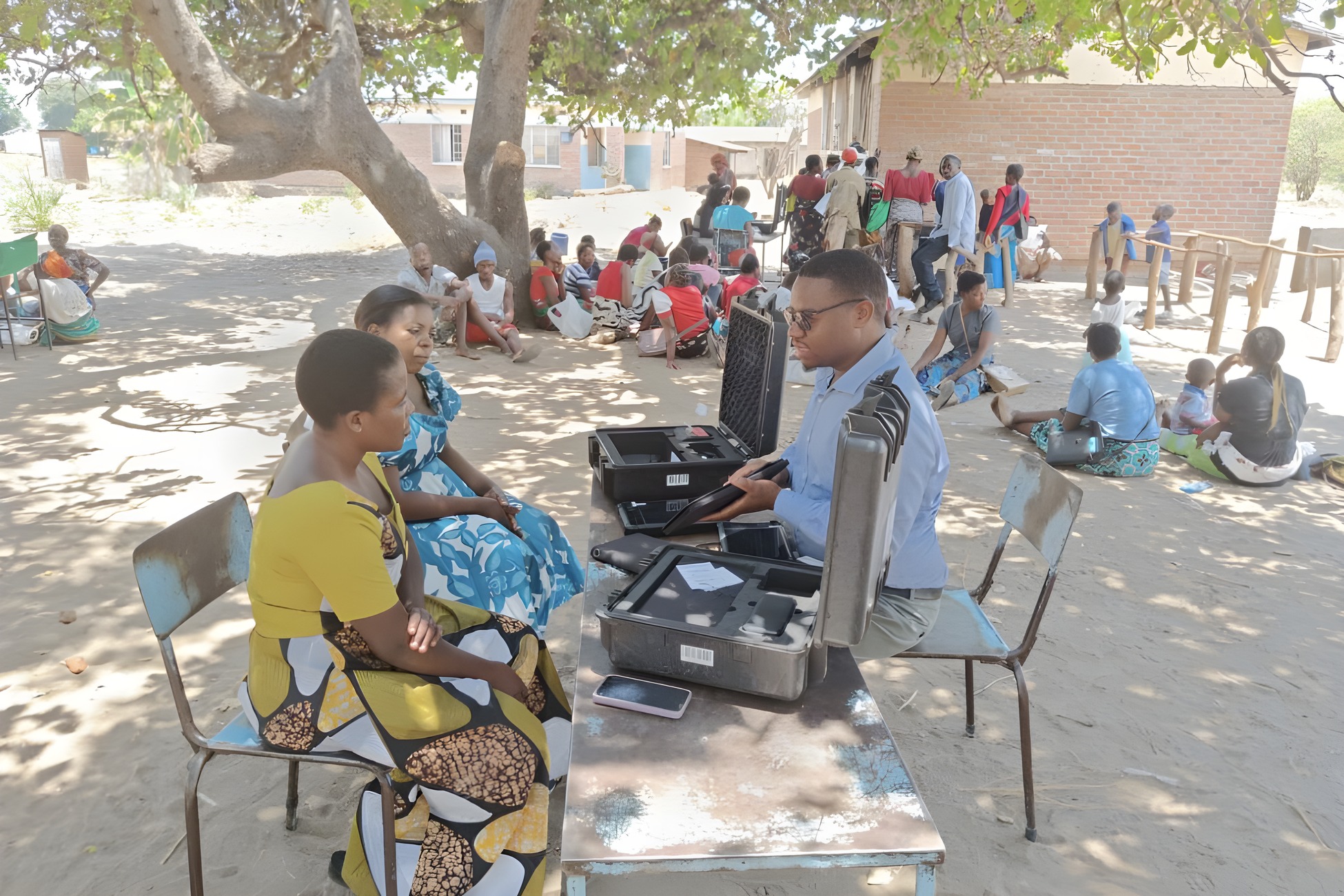
Image: Digital identity registration in Malawi, from UNDP’s Turning Digital into Impact: 10 UNDP Country Stories, where national ID systems have already saved over US$42 million.
UN-OCHA’s Centre for Humanitarian Data released the first significant redesign of the Humanitarian Data Exchange (HDX) platform since it launched twelve years ago, making the data easier to find and understand. The new experience includes a new homepage; improved search and filtering; new dataset, location and organisation pages; and a consistent experience across desktop, tablet and mobile. Work is also underway to improve access to humanitarian data through a more coherent API offer and AI-enabled interfaces.
#UN OCHA
UNRWA is scaling its eUNRWA digital identity platform, which allows Palestinian refugees to verify their identity, update family records and access official documents digitally. The platform is now being used to support humanitarian cash assistance delivery in Lebanon, improving access, transparency and efficiency. eUNRWA was also shortlisted for the first-ever UN 2.0 Awards, highlighting its potential as a model for digital public service delivery in humanitarian contexts.
#unrwa
IOM's Displacement Tracking Matrix won the Novel Solutions Award at the UN 2.0 Awards. Its Data Foundations toolkit, built around a standardised bank of 1,700 survey questions, feeds country data automatically into a central data warehouse and public API, cutting data-to-analysis time by 70% across 60 country operations, with rollout to all 100+ operations planned.
#iom
UNHCR is joining the DISHA coalition to validate and operationalise an AI-assisted Refugee Settlement Mapping solution.
#UNHCR
WFP’s Rescue Card enables rapid, compliant cash assistance in emergencies by linking prepaid cards to WFP’s corporate digital wallet. Pre-positioned and activated within minutes, it helps people receive support within 72 hours, including undocumented migrants. In 2025, it reached 88,000 people across five countries. Following Venezuela’s 2026 earthquake, 35,000 cards supported 140,000 people
#WFP
WFP’s SCOUT platform received the 2026 Lynn C. Fritz Medal for Excellence in Humanitarian Logistics, the first award of its kind granted to a UN entity.
#WFP
Circle Foundation announced support for WFP and UNDP to advance digital payments for humanitarian action, including stablecoin-enabled payment solutions.
#WFP
#unDP
Video: Meet SCOUT, WFP’s AI tool that helps deliver more food, faster, by planning where to buy, store and send it.
Humanitarian response and displacement
Entrepreneurship, work and the economy
In Tanzania, the PesaTech Accelerator, implemented by UNCDF with funding from the European Union, is seeing an impact. Designed as a market-building platform that de-risks promising fintechs while strengthening the wider ecosystem, it combines catalytic capital, technology advisory and investor readiness. Approximately USD 400,000 supported 22 fintechs that went on to mobilise more than USD 18 million in follow-on investment.
#UNCDF
UN Tourism celebrated World Tourism Day 2026 in El Salvador under the theme “Digital Agenda and Artificial Intelligence to redesign tourism”. The celebration highlighted the transformative potential of digitalisation and AI for a more innovative, inclusive and sustainable tourism sector.
#UN TOURISM
At the WSIS Forum, UPU showed how post offices extend e-government, digital finance and e-commerce to underserved communities, welcoming the WSIS+20 outcome’s recognition of Posts Offices as anchor institutions for digital inclusion.
#UPU
As AI-powered robotics enter hotels, warehouses and care settings amid labour shortages, ITCILO’s upcoming Regional Forum on Physical AI for Decent Work (December 2026, Turin & online) asks how Physical AI can augment rather than replace human work. In-person participants can test robotic systems first-hand. Apply by 9 November.
#ITCILO
UNICEF and Arm are bringing together companies, governments and young people through AI in Play to develop AI solutions for children’s health, learning and climate resilience, aiming to reach 2.5 million children.
#UNICEF
In Afghanistan, UNCDF and UNDP are enabling small businesses to move from cash to digital wallets through the Afghanistan Digital Prosperity Project, making everyday transactions safer and building digital resilience.
#UNCDF
UNCDF is tackling the mobile device gap as a market coordination challenge, connecting financiers, distributors and telecom operators and testing models including pay-as-you-go and bundled devices, as well as working-capital finance.
#UNCDF
‣
In Gaza, UNCDF supported PalPay to build a low-tech digital payments ecosystem that onboarded nearly 1,000 merchants and enabled more than 39,000 transactions, including through QR-based tools suited to a disrupted operating environment.
#UNCDF
‣
In Kenya, DigiKen combines innovation hubs, digital skills, investment readiness and access to finance, including a USD 900,000 UNCDF guarantee helping the Co-operative Bank lend to digital MSMEs.
#UNCDF
‣
Across Europe and Central Asia, UN Women is supporting young women to enter innovation and technical fields. In Albania, Jonada Shukarasi helped create GjejZâ (Find Your Voice) at 16, an app supporting women facing domestic violence, showing how women-led innovation produces technology that meets women’s real needs.
#UN WOMEN
‣
In Afghanistan, UNCDF and UNDP are enabling small businesses to move from cash to digital wallets through the Afghanistan Digital Prosperity Project, making everyday transactions safer and building digital resilience.
#UNCDF
#UNDP
‣
UNICEF and Arm are bringing together companies, governments and young people through AI in Play to develop AI solutions for children’s health, learning and climate resilience, aiming to reach 2.5 million children.
#UNICEF
Across Europe and Central Asia, UN Women is supporting young women to enter innovation and technical fields. In Albania, Jonada Shukarasi helped create GjejZâ (Find Your Voice) at 16, an app supporting women facing domestic violence, showing how women-led innovation produces technology that meets women’s real needs.
#UN WOMEN
In Gaza, UNCDF supported PalPay to build a low-tech digital payments ecosystem that onboarded nearly 1,000 merchants and enabled more than 39,000 transactions, including through QR-based tools suited to a disrupted operating environment.
#UNCDF
In Kenya, DigiKen with funding from the European Union, brings together UNCDF, the Joint SDG Fund, UNESCO, UNEP and UN Women, in close coordination with the UN Resident Coordinator’s Office, to strengthen innovation hubs, digital skills, investment readiness and access to finance, including through a USD 900,000 UNCDF guarantee helping the Co-operative Bank lend to digital MSMEs.
#UNCDF
ESCWA is combining legal analysis with behavioural science to strengthen consumer protection in Arab digital markets. A technical paper on behavioural biases and dark patterns examines how online practices exploit consumer vulnerabilities and identifies policy responses to support more informed choices. ESCWA shared this approach during the 2026 UN Behavioural Science Week, co-leading the AI, Behavioural Science and Digital Systems Expo. The exchange explored consumer protection alongside broader questions on responsible digital design and the application of behavioural insights across the UN. This work offers policymakers a practical lens for examining how digital marketplaces influence decisions and how consumer safeguards can respond. It also provides a resource for UN colleagues exploring behavioural approaches to regulatory challenges.
#ESCWA
Through KiboCUBE, UNOOSA and the Japan Aerospace Exploration Agency (JAXA) are helping universities in developing countries to build small satellites (CubeSats) and deploy them from Japan’s Kibo module on the International Space Station. In June, teams from El Salvador and Thailand were selected. For El Salvador, it will be the country’s first satellite. Since 2015, the programme has helped six countries become spacefaring nations.
#UNOOSA
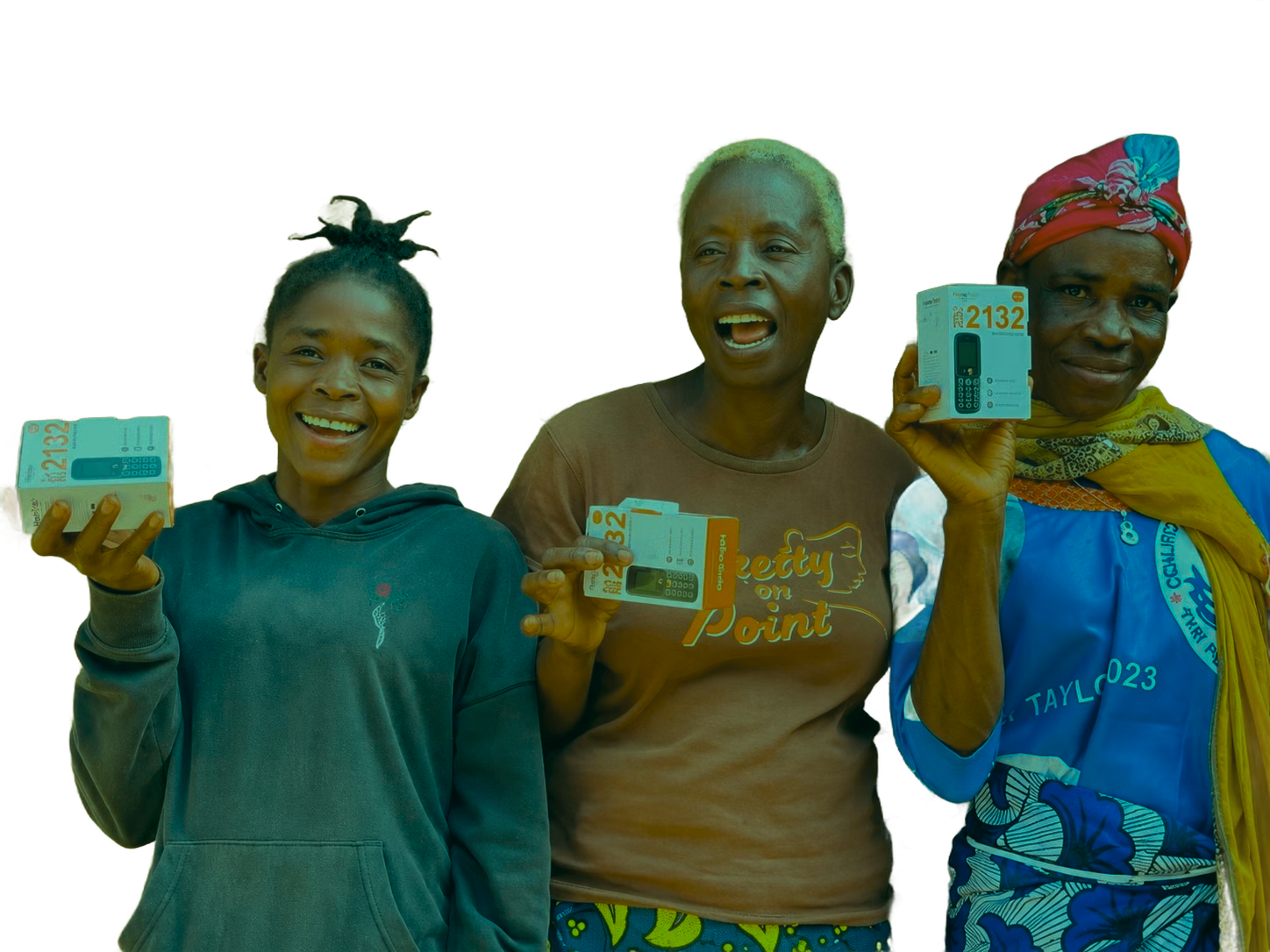
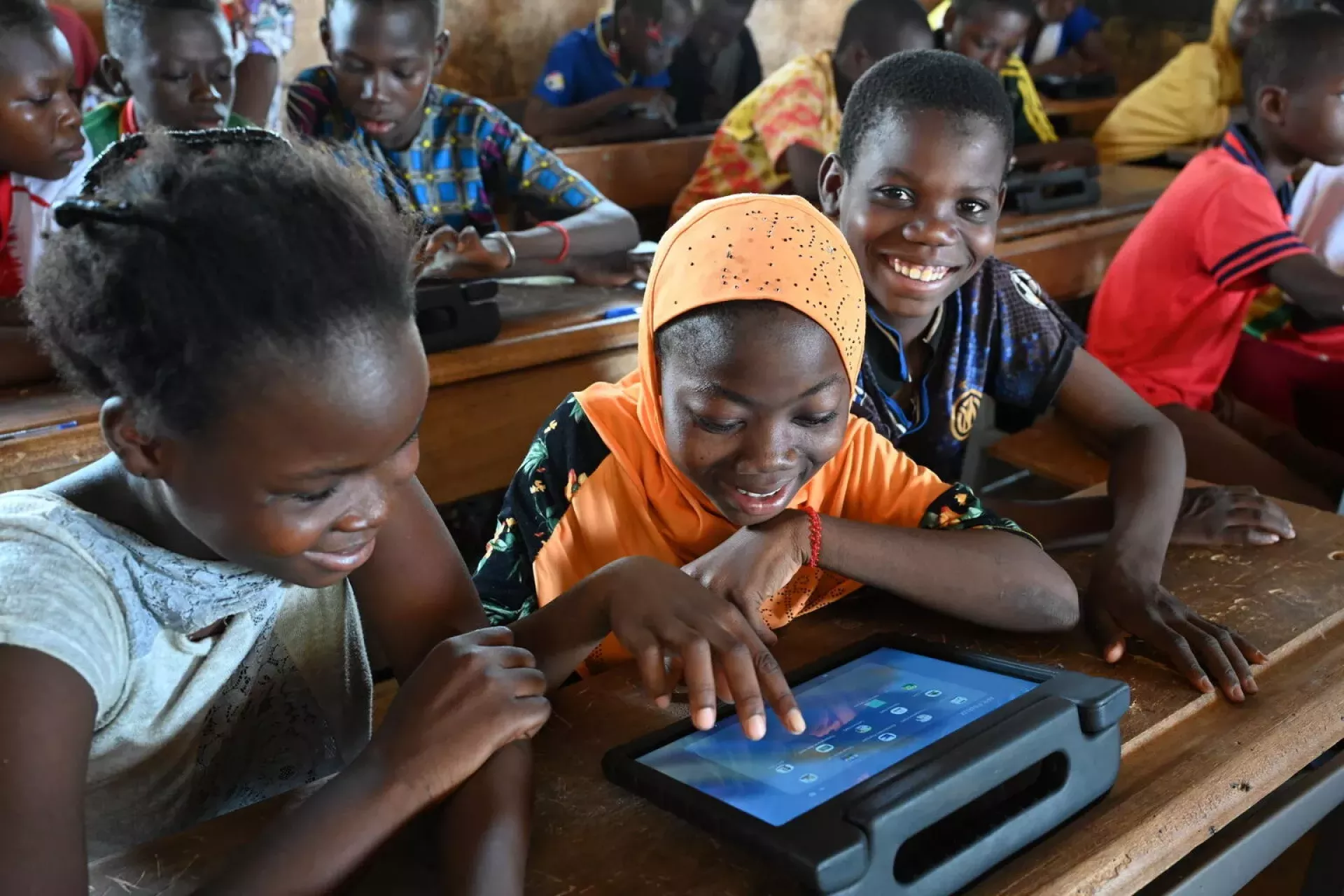
Image: Rural women in Liberia receive mobile phones through UN Women’s D4WEE Project.
Food, farming and rural livelihoods
WFP innovators and partners gathered in Accra to celebrate African-led solutions advancing Zero Hunger.
#WFP
In Liberia, UN Women’s D4WEE project, supported by the Orange Foundation, is connecting rural women farmers to markets, mobile money and digital skills. Since 2022, participating women have increased their incomes through better market access and higher agricultural productivity.
#UN Women
FAO launched the Science, Technology and Innovation (STI) Portal, an open, federated platform that addresses a long-standing problem: agrifood innovation knowledge is scattered and hard to reach, especially for low- and middle-income countries. The platform brings together more than 6,000 curated resources and e-learning materials, the AI-supported ATIO Knowledge Base mapping of agrifood innovations and technologies, and a network where practitioners can find partners and join challenges such as the Global AgriInno Challenge 2026 and the Innovate Africa Challenge. The launch supports “Innovation for Food Security”, FAO’s 2026–27 biennial theme.
#FAO
FAO held the Science and Innovation Forum in Rome and online. The forum focused on solutions for more efficient, inclusive, resilient and sustainable agrifood systems. The Africa Science and Innovation Forum will take place in October 2026 in Addis Ababa, followed by regional fora.
#FAO
UN Tourism’s WhatsApp-based course on inclusive and accessible rural tourism in Chile reached approximately 1,300 participants. Designed for rural communities with limited computer access, it includes an AI agent trained on the course materials so that learners can consult the content through their phones.
#UN TOURISM
UNU’s Institute for Natural Resources in Africa published a Gender Report on the Innovate for Clean Agricultural Technologies (INFoCAT) project. It shows how building gender-responsive design into an agritech innovation challenge helped young entrepreneurs in Ghana, Senegal and Côte d’Ivoire develop market-ready renewable technologies for smallholder farmers, through new alliances with women-led enterprises, while enhancing research capacity for gender-responsive students.
#UNU
Image: Rural women in Liberia receive mobile phones through UN Women’s D4WEE Project.
Health and wellbeing
In the Democratic Republic of the Congo, UNFPA is using digital innovation to strengthen antenatal care in conflict-affected and hard-to-reach areas. Health providers are being trained to use portable ultrasound for digital antenatal consultations and to monitor pregnancies, with mobile clinics planned for targeted areas.
#UNFPA
Through WHO’s Digital Innovation Investment Platform, ecosystem convenings are bringing partners together around virtual care and robotic telesurgery to learn from current evidence and expertise, and to examine the enabling conditions and partnerships required for equitable adoption and scaling in health systems (to opt in, scan QR code in flyer).
#WHO
In Tanzania, UNFPA joined more than 300 participants from 30 countries at Data Tamasha Africa 2026 to explore how population data, digital technologies and AI can support health and development solutions.
#UNFPA
UNFPA Pakistan and VIAMO supported 24 young innovators through a bootcamp focused on health, education and climate-related challenges. Seven finalist teams were selected to present their solutions to potential donors and investors.
#UNFPA
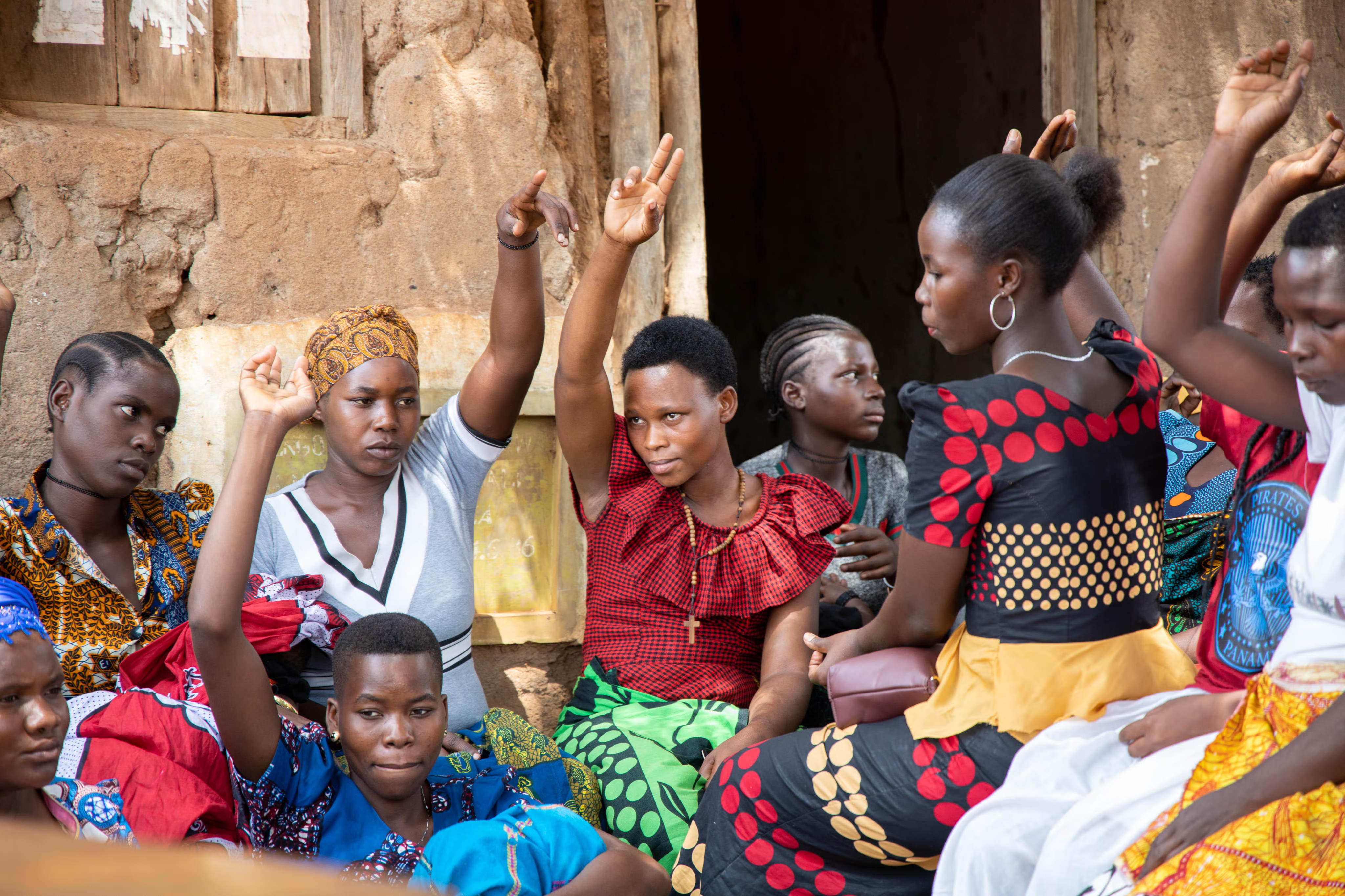

Image (Top): UNFPA In Tanzania, data and evidence are helping strengthen access to sexual and reproductive health services
Video (Bottom): DRC Health Financing and Sexual and Reproductive Health team, 2026 We the Peoples Awards.
How innovation, technologies and new approaches are delivering tangible results for people, communities and countries across the Sustainable Development Goals (SDGs).
INNOVATION FOR THE SDGs

Peace and Security
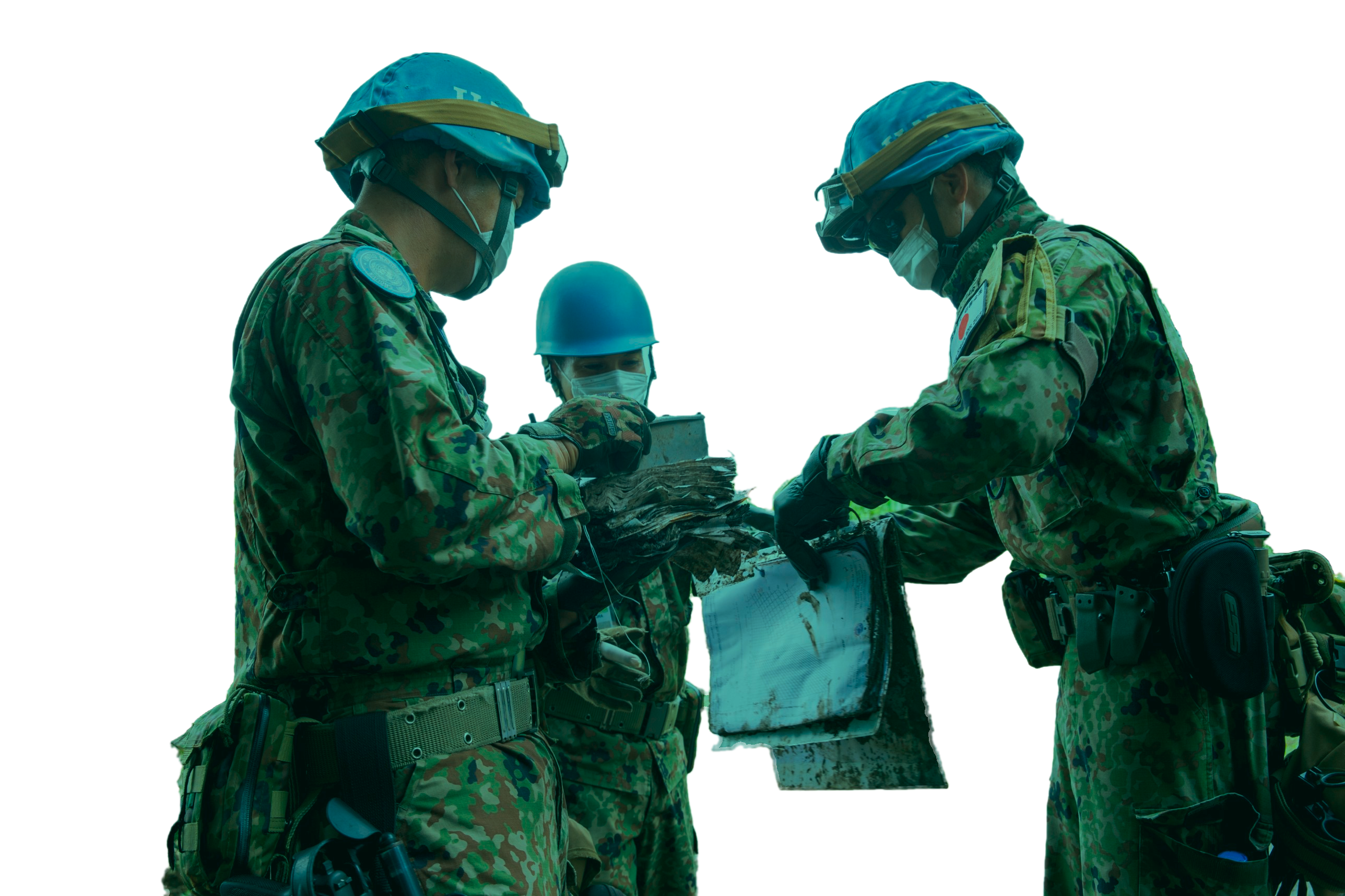
UN - DPPA supported the Office of the UN Special Envoy for the Great Lakes Region to use AI to monitor political statements and cross-border incidents, informing early warning and analysis.
#UN - DPPA
The UN Global Risk Report 2026, drawing on responses from 1,300 stakeholders, examines interconnected threats, including geopolitical tensions, large-scale war, climate change and risks associated with AI and emerging technologies.
#UN
In Nairobi, UN - DPPA and UN - DPO led a joint UN-AU-IGAD workshop on hate speech and disinformation in the Horn of Africa. Its sessions on AI for political analysis stressed analytical rigour, source verification and the centrality of human judgment.
#UN - DPPA
UN - DPPA, through its Innovation Cell, helps political teams use AI-enabled tools to strengthen early warning, analysis and preventive diplomacy. In one conflict setting, an AI-supported multilingual situational reporting system broadened source coverage, and analysed fast-moving, contested media coverage, helping staff save an estimated 10 to 15 hours per week. By automating monitoring, triage and verification of information, large language models and AI agents enabled the political team to spend less time on routine information processing and more time on analysis.
#UN - DPPA
Image: UNMISS
Image: UNMISS
UN-Habitat launched a Catalogue of Solutions 2026–2029, bringing together 81 tested tools, methodologies and advisory services to help countries and cities tackle housing shortages, inequality and gaps in basic urban services, with an emphasis on data-driven planning and digital innovation. The catalogue also highlights a growing portfolio of digital and innovation-focused solutions, including AI-enabled urban data analysis, geospatial mapping, digital participation platforms, innovation challenges for cities and the United Nations Innovation Technology Accelerator for Cities (UNITAC), which helps local governments prototype and scale technology-driven solutions to urban challenges.
#UN-HABITAT
UN - DESA presented the 2026 UN Public Service Awards in Tbilisi, Georgia, recognising 12 initiatives selected from 700+ applications across 62 countries. Examples using digital government tools and AI include Cambodia’s verify.gov.kh, which lets anyone quickly check the authenticity of official government documents online, and MAGMA Indonesia, a multi-platform application that helps authorities and communities to monitor and respond to geohazards such as volcanic eruptions and earthquakes.
#UN - desa
UNDP’s 10 country stories show digital public infrastructure, data systems and AI-enabled solutions delivering measurable outcomes, from digital identity and justice to health, climate and disaster response.
#UNDP
Public Service and Cities
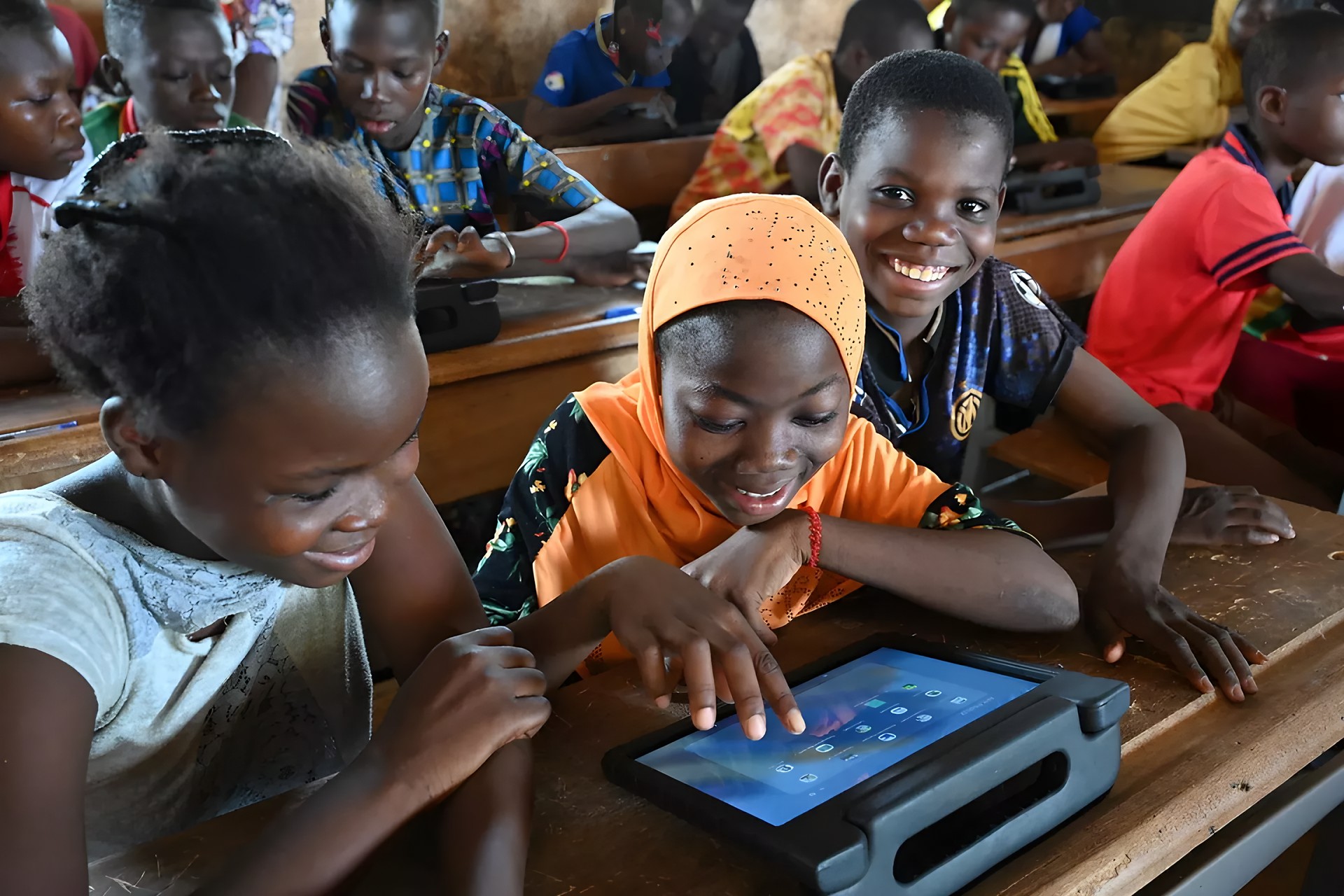
A joint ITU-UNICEF initiative, Giga, supports governments to connect schools to the internet. The Giga Country Tour showcases how countries are advancing in their own school connectivity journeys. The first stop in Guatemala brought together government officials and partners to share lessons and show how Giga used school and network data to help the government plan affordable, sustainable school connectivity. Read the highlights from Guatemala and learn more about the Tour’s next online stops.
#GIGA
Image: A food stall in Gaza accepting digital payments through PalPay, part of a UNCDF-supported system that lets people pay and receive cash without relying on damaged banks or ATMs. Photo: PalPay
UNEP showed how AI is turning satellite data into methane cuts. Its Methane Alert and Response System combines data from more than 30 satellite instruments with AI models that separate leaks from noise, letting analysts process 12 to 15 times more data. The mitigation it has triggered is equivalent to removing the annual emissions of almost 24 million petrol cars.
#UNEP
UN - ODET and UNDRR formed a new partnership on AI for disaster risk reduction
#UNdrr
#UN - ODET
IOM’s Climate Mobility Innovation Lab (CMIL) helps communities and governments anticipate and adapt to climate-related displacement. With hubs in Bangkok, Nairobi and Rome, it co-creates a Risk Index for Climate Displacement with governments and universities to pinpoint displacement hotspots, then channels small, fast, match-funded grants through its Climate Catalytic Fund to locally-led adaptation projects in high-risk areas. CMIL is one pillar of IOM’s Climate Mobility Offer, bringing together CMIL alongside workstreams related to climate finance and the Climate Mobility Investment Facility (CMIF) and policy and governance-related work. In October 2026, CMIL launched its web platform, which hosts all of the tools described above.
#IOM
WFP launched the third regional cohort of the Adaptation Fund Climate Innovation Accelerator programme, supporting locally led climate adaptation solutions in the Dominican Republic, El Salvador and Peru through funding, mentorship and scaling support.
#WFP
UN Global Pulse’s DISHA initiative launched a revamped AI-assisted Damage Assessment solution with a new interface and improved performance, using Google’s latest Earth AI models. The solution saves analysts’ time and enables the analysis of more disaster-affected areas.
#UN GLOBAL PULSE
UN Global Pulse Asia Pacific is supporting the Indonesian Government and UN Women to develop the KITA TANGGUH (“Collective Resilience”) Roadmap, which aims to strengthen government and community disaster resilience through coordination and a digital decision support system.
#UN GLOBAL PULSE
Climate, environment and disaster resilience
Video: IOM’s Climate Mobility Innovation Lab helps communities in Asia and the Pacific adapt to climate change, making moving a planned choice rather than a crisis response.

‣
UN-OCHA’s Centre for Humanitarian Data released the first significant redesign of the Humanitarian Data Exchange (HDX) platform since it launched twelve years ago, making the data easier to find and understand. The new experience includes a new homepage; improved search and filtering; new dataset, location and organisation pages; and a consistent experience across desktop, tablet and mobile. Work is also underway to improve access to humanitarian data through a more coherent API offer and AI-enabled interfaces.
#UN OCHA
‣
UNRWA is scaling its eUNRWA digital identity platform, which allows Palestinian refugees to verify their identity, update family records and access official documents digitally. The platform is now being used to support humanitarian cash assistance delivery in Lebanon, improving access, transparency and efficiency. eUNRWA was also shortlisted for the first-ever UN 2.0 Awards, highlighting its potential as a model for digital public service delivery in humanitarian contexts.
#unrwa
‣
IOM's Displacement Tracking Matrix won the Novel Solutions Award at the UN 2.0 Awards. Its Data Foundations toolkit, built around a standardised bank of 1,700 survey questions, feeds country data automatically into a central data warehouse and public API, cutting data-to-analysis time by 70% across 60 country operations, with rollout to all 100+ operations planned.
#iom
‣
UNHCR is joining the DISHA coalition to validate and operationalise an AI-assisted Refugee Settlement Mapping solution.
#UNHCR
‣
WFP’s Rescue Card enables rapid, compliant cash assistance in emergencies by linking prepaid cards to WFP’s corporate digital wallet. Pre-positioned and activated within minutes, it helps people receive support within 72 hours, including undocumented migrants. In 2025, it reached 88,000 people across five countries. Following Venezuela’s 2026 earthquake, 35,000 cards supported 140,000 people
#WFP
Video: Meet SCOUT, WFP’s AI tool that helps deliver more food, faster, by planning where to buy, store and send it.

‣
WFP’s SCOUT platform received the 2026 Lynn C. Fritz Medal for Excellence in Humanitarian Logistics, the first award of its kind granted to a UN entity.
#WFP
‣
Circle Foundation announced support for WFP and UNDP to advance digital payments for humanitarian action, including stablecoin-enabled payment solutions.
#WFP
#unDP
Humanitarian response and displacement
‣
UNEP showed how AI is turning satellite data into methane cuts. Its Methane Alert and Response System combines data from more than 30 satellite instruments with AI models that separate leaks from noise, letting analysts process 12 to 15 times more data. The mitigation it has triggered is equivalent to removing the annual emissions of almost 24 million petrol cars.
#UNEP
‣
UN - ODET and UNDRR formed a new partnership on AI for disaster risk reduction
#UNdrr
#UN - ODET
‣
IOM’s Climate Mobility Innovation Lab (CMIL) helps communities and governments anticipate and adapt to climate-related displacement. With hubs in Bangkok, Nairobi and Rome, it co-creates a Risk Index for Climate Displacement with governments and universities to pinpoint displacement hotspots, then channels small, fast, match-funded grants through its Climate Catalytic Fund to locally-led adaptation projects in high-risk areas. CMIL is one pillar of IOM’s Climate Mobility Offer, bringing together CMIL alongside workstreams related to climate finance and the Climate Mobility Investment Facility (CMIF) and policy and governance-related work. In October 2026, CMIL launched its web platform, which hosts all of the tools described above.
#IOM
‣
WFP launched the third regional cohort of the Adaptation Fund Climate Innovation Accelerator programme, supporting locally led climate adaptation solutions in the Dominican Republic, El Salvador and Peru through funding, mentorship and scaling support.
#WFP
‣
UN Global Pulse’s DISHA initiative launched a revamped AI-assisted Damage Assessment solution with a new interface and improved performance, using Google’s latest Earth AI models. The solution saves analysts’ time and enables the analysis of more disaster-affected areas.
#UN GLOBAL PULSE
‣
UN Global Pulse Asia Pacific is supporting the Indonesian Government and UN Women to develop the KITA TANGGUH (“Collective Resilience”) Roadmap, which aims to strengthen government and community disaster resilience through coordination and a digital decision support system.
#UN GLOBAL PULSE
Climate, environment and disaster resilience
Video: IOM’s Climate Mobility Innovation Lab helps communities in Asia and the Pacific adapt to climate change, making moving a planned choice rather than a crisis response.

Entrepreneurship, work and the economy
‣
In Tanzania, the PesaTech Accelerator, implemented by UNCDF with funding from the European Union, is seeing an impact. Designed as a market-building platform that de-risks promising fintechs while strengthening the wider ecosystem, it combines catalytic capital, technology advisory and investor readiness. Approximately USD 400,000 supported 22 fintechs that went on to mobilise more than USD 18 million in follow-on investment.
#UNCDF
‣
UN Tourism celebrated World Tourism Day 2026 in El Salvador under the theme “Digital Agenda and Artificial Intelligence to redesign tourism”. The celebration highlighted the transformative potential of digitalisation and AI for a more innovative, inclusive and sustainable tourism sector.
#UN TOURISM
‣
At the WSIS Forum, UPU showed how post offices extend e-government, digital finance and e-commerce to underserved communities, welcoming the WSIS+20 outcome’s recognition of Posts Offices as anchor institutions for digital inclusion.
#UPU
‣
As AI-powered robotics enter hotels, warehouses and care settings amid labour shortages, ITCILO’s upcoming Regional Forum on Physical AI for Decent Work (December 2026, Turin & online) asks how Physical AI can augment rather than replace human work. In-person participants can test robotic systems first-hand. Apply by 9 November.
#ITCILO
‣
UNICEF and Arm are bringing together companies, governments and young people through AI in Play to develop AI solutions for children’s health, learning and climate resilience, aiming to reach 2.5 million children.
#UNICEF
‣
In Afghanistan, UNCDF and UNDP are enabling small businesses to move from cash to digital wallets through the Afghanistan Digital Prosperity Project, making everyday transactions safer and building digital resilience.
#UNCDF
‣
UNCDF is tackling the mobile device gap as a market coordination challenge, connecting financiers, distributors and telecom operators and testing models including pay-as-you-go and bundled devices, as well as working-capital finance.
#UNCDF
‣
In Gaza, UNCDF supported PalPay to build a low-tech digital payments ecosystem that onboarded nearly 1,000 merchants and enabled more than 39,000 transactions, including through QR-based tools suited to a disrupted operating environment.
#UNCDF
‣
In Kenya, DigiKen combines innovation hubs, digital skills, investment readiness and access to finance, including a USD 900,000 UNCDF guarantee helping the Co-operative Bank lend to digital MSMEs.
#UNCDF
‣
Across Europe and Central Asia, UN Women is supporting young women to enter innovation and technical fields. In Albania, Jonada Shukarasi helped create GjejZâ (Find Your Voice) at 16, an app supporting women facing domestic violence, showing how women-led innovation produces technology that meets women’s real needs.
#UN WOMEN
‣
In Afghanistan, UNCDF and UNDP are enabling small businesses to move from cash to digital wallets through the Afghanistan Digital Prosperity Project, making everyday transactions safer and building digital resilience.
#UNCDF
#UNDP
‣
UNICEF and Arm are bringing together companies, governments and young people through AI in Play to develop AI solutions for children’s health, learning and climate resilience, aiming to reach 2.5 million children.
#UNICEF
‣
Across Europe and Central Asia, UN Women is supporting young women to enter innovation and technical fields. In Albania, Jonada Shukarasi helped create GjejZâ (Find Your Voice) at 16, an app supporting women facing domestic violence, showing how women-led innovation produces technology that meets women’s real needs.
#UN WOMEN
‣
In Gaza, UNCDF supported PalPay to build a low-tech digital payments ecosystem that onboarded nearly 1,000 merchants and enabled more than 39,000 transactions, including through QR-based tools suited to a disrupted operating environment.
#UNCDF
‣
In Kenya, DigiKen with funding from the European Union, brings together UNCDF, the Joint SDG Fund, UNESCO, UNEP and UN Women, in close coordination with the UN Resident Coordinator’s Office, to strengthen innovation hubs, digital skills, investment readiness and access to finance, including through a USD 900,000 UNCDF guarantee helping the Co-operative Bank lend to digital MSMEs.
#UNCDF
‣
ESCWA is combining legal analysis with behavioural science to strengthen consumer protection in Arab digital markets. A technical paper on behavioural biases and dark patterns examines how online practices exploit consumer vulnerabilities and identifies policy responses to support more informed choices. ESCWA shared this approach during the 2026 UN Behavioural Science Week, co-leading the AI, Behavioural Science and Digital Systems Expo. The exchange explored consumer protection alongside broader questions on responsible digital design and the application of behavioural insights across the UN. This work offers policymakers a practical lens for examining how digital marketplaces influence decisions and how consumer safeguards can respond. It also provides a resource for UN colleagues exploring behavioural approaches to regulatory challenges.
#ESCWA
‣
Through KiboCUBE, UNOOSA and the Japan Aerospace Exploration Agency (JAXA) are helping universities in developing countries to build small satellites (CubeSats) and deploy them from Japan’s Kibo module on the International Space Station. In June, teams from El Salvador and Thailand were selected. For El Salvador, it will be the country’s first satellite. Since 2015, the programme has helped six countries become spacefaring nations.
#UNOOSA
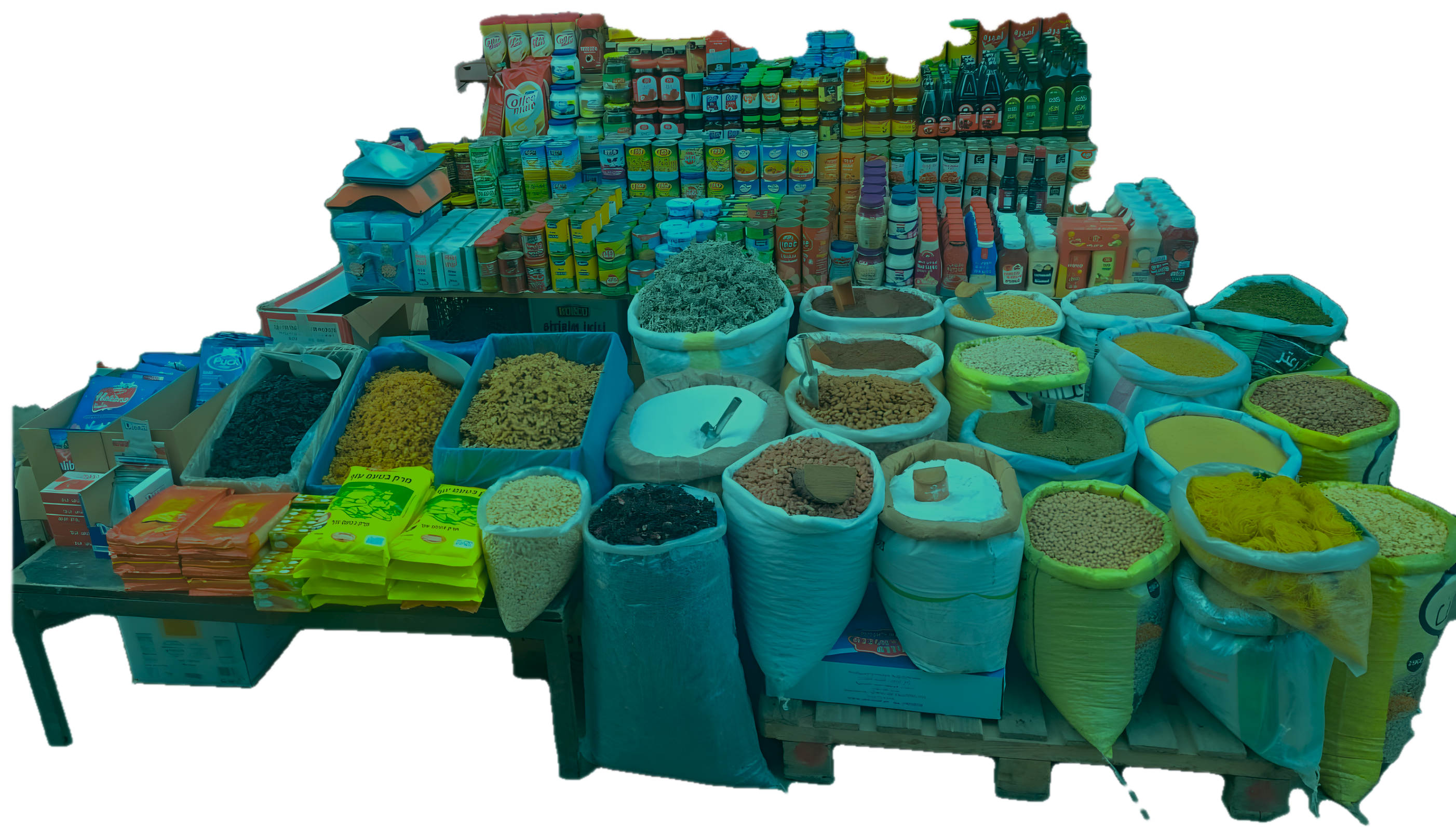
Image: Rural women in Liberia receive mobile phones through UN Women’s D4WEE Project.
Food, farming and rural livelihoods
‣
WFP innovators and partners gathered in Accra to celebrate African-led solutions advancing Zero Hunger.
#WFP
‣
In Liberia, UN Women’s D4WEE project, supported by the Orange Foundation, is connecting rural women farmers to markets, mobile money and digital skills. Since 2022, participating women have increased their incomes through better market access and higher agricultural productivity.
#UN Women
‣
FAO launched the Science, Technology and Innovation (STI) Portal, an open, federated platform that addresses a long-standing problem: agrifood innovation knowledge is scattered and hard to reach, especially for low- and middle-income countries. The platform brings together more than 6,000 curated resources and e-learning materials, the AI-supported ATIO Knowledge Base mapping of agrifood innovations and technologies, and a network where practitioners can find partners and join challenges such as the Global AgriInno Challenge 2026 and the Innovate Africa Challenge. The launch supports “Innovation for Food Security”, FAO’s 2026–27 biennial theme.
#FAO
‣
FAO held the Science and Innovation Forum in Rome and online. The forum focused on solutions for more efficient, inclusive, resilient and sustainable agrifood systems. The Africa Science and Innovation Forum will take place in October 2026 in Addis Ababa, followed by regional fora.
#FAO
‣
UN Tourism’s WhatsApp-based course on inclusive and accessible rural tourism in Chile reached approximately 1,300 participants. Designed for rural communities with limited computer access, it includes an AI agent trained on the course materials so that learners can consult the content through their phones.
#UN TOURISM
‣
UNU’s Institute for Natural Resources in Africa published a Gender Report on the Innovate for Clean Agricultural Technologies (INFoCAT) project. It shows how building gender-responsive design into an agritech innovation challenge helped young entrepreneurs in Ghana, Senegal and Côte d’Ivoire develop market-ready renewable technologies for smallholder farmers, through new alliances with women-led enterprises, while enhancing research capacity for gender-responsive students.
#UNU
Health and wellbeing
‣
In the Democratic Republic of the Congo, UNFPA is using digital innovation to strengthen antenatal care in conflict-affected and hard-to-reach areas. Health providers are being trained to use portable ultrasound for digital antenatal consultations and to monitor pregnancies, with mobile clinics planned for targeted areas.
#UNFPA
‣
Through WHO’s Digital Innovation Investment Platform, ecosystem convenings are bringing partners together around virtual care and robotic telesurgery to learn from current evidence and expertise, and to examine the enabling conditions and partnerships required for equitable adoption and scaling in health systems (to opt in, scan QR code in flyer).
#WHO
‣
In Tanzania, UNFPA joined more than 300 participants from 30 countries at Data Tamasha Africa 2026 to explore how population data, digital technologies and AI can support health and development solutions.
#UNFPA
‣
UNFPA Pakistan and VIAMO supported 24 young innovators through a bootcamp focused on health, education and climate-related challenges. Seven finalist teams were selected to present their solutions to potential donors and investors.
#UNFPA
Image (Top): UNFPA In Tanzania, data and evidence are helping strengthen access to sexual and reproductive health services
Video (Bottom): DRC Health Financing and Sexual and Reproductive Health team, 2026 We the Peoples Awards.

How innovation, technologies and new approaches are delivering tangible results for people, communities and countries across the Sustainable Development Goals (SDGs).
INNOVATION FOR THE SDGs
Peace and Security
‣
UN - DPPA supported the Office of the UN Special Envoy for the Great Lakes Region to use AI to monitor political statements and cross-border incidents, informing early warning and analysis.
#UN - DPPA
‣
The UN Global Risk Report 2026, drawing on responses from 1,300 stakeholders, examines interconnected threats, including geopolitical tensions, large-scale war, climate change and risks associated with AI and emerging technologies.
#UN
‣
In Nairobi, UN - DPPA and UN - DPO led a joint UN-AU-IGAD workshop on hate speech and disinformation in the Horn of Africa. Its sessions on AI for political analysis stressed analytical rigour, source verification and the centrality of human judgment.
#UN - DPPA
‣
UN - DPPA, through its Innovation Cell, helps political teams use AI-enabled tools to strengthen early warning, analysis and preventive diplomacy. In one conflict setting, an AI-supported multilingual situational reporting system broadened source coverage, and analysed fast-moving, contested media coverage, helping staff save an estimated 10 to 15 hours per week. By automating monitoring, triage and verification of information, large language models and AI agents enabled the political team to spend less time on routine information processing and more time on analysis.
#UN - DPPA
Image: UNMISS
‣
UN-Habitat launched a Catalogue of Solutions 2026–2029, bringing together 81 tested tools, methodologies and advisory services to help countries and cities tackle housing shortages, inequality and gaps in basic urban services, with an emphasis on data-driven planning and digital innovation. The catalogue also highlights a growing portfolio of digital and innovation-focused solutions, including AI-enabled urban data analysis, geospatial mapping, digital participation platforms, innovation challenges for cities and the United Nations Innovation Technology Accelerator for Cities (UNITAC), which helps local governments prototype and scale technology-driven solutions to urban challenges.
#UN-HABITAT
‣
UN - DESA presented the 2026 UN Public Service Awards in Tbilisi, Georgia, recognising 12 initiatives selected from 700+ applications across 62 countries. Examples using digital government tools and AI include Cambodia’s verify.gov.kh, which lets anyone quickly check the authenticity of official government documents online, and MAGMA Indonesia, a multi-platform application that helps authorities and communities to monitor and respond to geohazards such as volcanic eruptions and earthquakes.
#UN - desa
‣
UNDP’s 10 country stories show digital public infrastructure, data systems and AI-enabled solutions delivering measurable outcomes, from digital identity and justice to health, climate and disaster response.
#UNDP
Public Service and Cities
‣
A joint ITU-UNICEF initiative, Giga, supports governments to connect schools to the internet. The Giga Country Tour showcases how countries are advancing in their own school connectivity journeys. The first stop in Guatemala brought together government officials and partners to share lessons and show how Giga used school and network data to help the government plan affordable, sustainable school connectivity. Read the highlights from Guatemala and learn more about the Tour’s next online stops.
#GIGA
Image: Digital identity registration in Malawi, where the national ID system has already delivered over US$42 million in verified savings. From UNDP’s Turning Digital into Impact: 10 UNDP Country Stories. Photo: UNDP Malawi
Image: A food stall in Gaza accepting digital payments through PalPay, part of a UNCDF-supported system that lets people pay and receive cash without relying on damaged banks or ATMs. Photo: PalPay